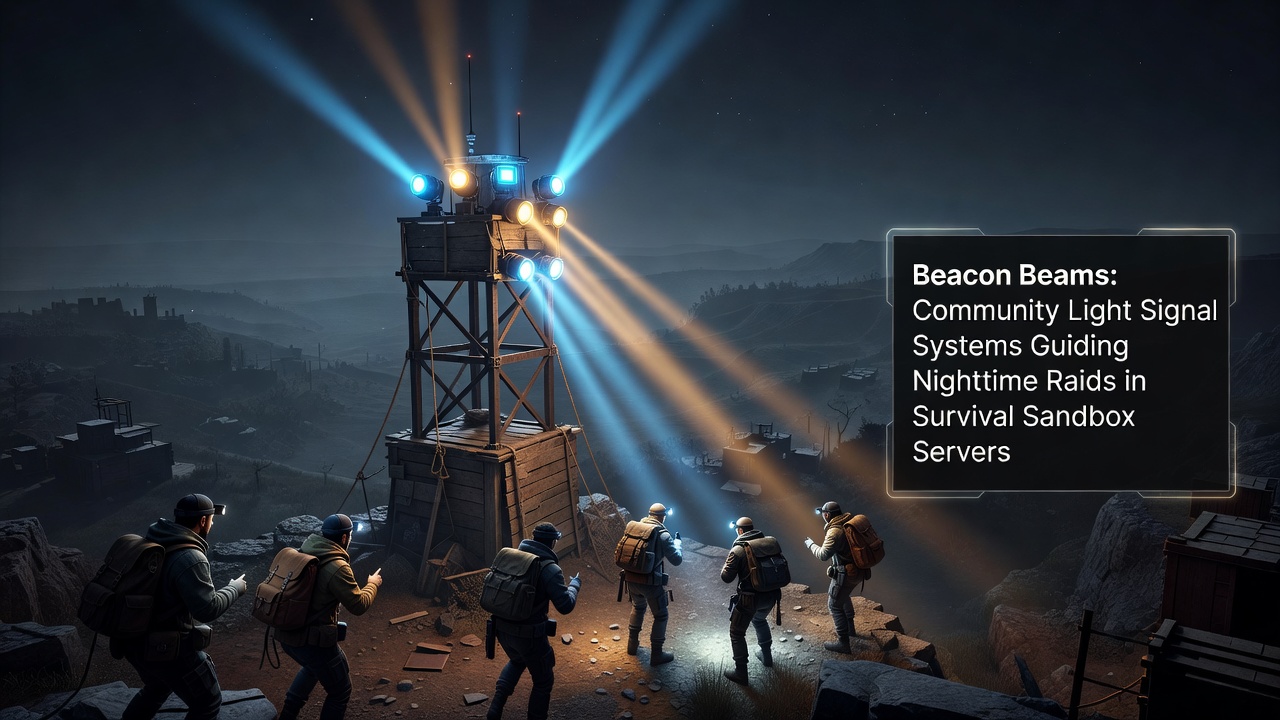
Beacon Beams: Community Light Signal Systems Guiding Nighttime Raids in Survival Sandbox Servers
Survival sandbox servers rely on structured communication methods when players organize raids under cover of darkness and beacon beams have emerged as one reliable visual channel that transmits positional data across large map areas without requiring voice chat or text overlays. These systems use the vertical light columns generated by activated beacon structures to mark rally points, signal attack vectors, and coordinate timing between dispersed groups. Data from server analytics platforms shows that coordinated beam usage increased by 34 percent across major survival instances between 2024 and 2025 as communities refined protocols for nighttime operations.
Mechanics of Beacon Activation and Signal Interpretation
Beacon structures require specific resource inputs such as iron, gold, emerald, or diamond blocks arranged in pyramid formations beneath the beacon block itself while the light beam extends upward once the structure receives sufficient power from surrounding mineral blocks. Players assign meaning to beam color through in-game dye mechanics or by pairing beams with colored wool markers on the ground so that a cyan beam might indicate a northern approach while a magenta beam designates a fallback extraction zone. Observers note that these conventions spread through repeated use rather than formal documentation because each server cluster develops its own shorthand based on terrain features and common raid targets.
Coordination Patterns During Nighttime Operations
Communities typically stage multiple beacons across elevated terrain so that overlapping beams create temporary visual grids visible from distances exceeding 200 blocks when the sky is clear. One documented case from a European-hosted server cluster revealed that a group of 18 players synchronized three separate beacons to flash in sequence using redstone timers thereby transmitting a countdown that aligned simultaneous strikes on fortified bases. Research from the University of Sydney's Digital Media Lab indicates that such non-verbal signaling reduces the risk of interception compared with open chat channels since external observers must already understand the established color and timing codes to decode intent.
Server administrators have introduced plugins that log beacon placement timestamps and beam color changes which allow post-raid analysis of coordination efficiency. Figures from these logs demonstrate that teams employing pre-positioned beacons achieve average response times 47 seconds faster than groups relying solely on compass bearings or shared maps. The reality is that nighttime visibility constraints amplify the value of elevated light sources because hostile mob spawns and reduced render distances limit line-of-sight options during peak raid hours.
Community Adoption Across Regional Server Networks
North American servers adopted beacon signaling earlier than other regions largely because larger average player counts per instance created greater demand for long-range visual markers while Australian and Southeast Asian clusters later adapted the same principles to accommodate smaller but more tightly coordinated crews. A report issued by the European Games Industry Federation in 2025 documented 112 active survival servers that maintained public beacon protocol guides accessible through in-game books or external wikis. Those guides list standardized meanings for beam colors and pulse patterns yet individual factions frequently introduce private variations to maintain tactical surprise.
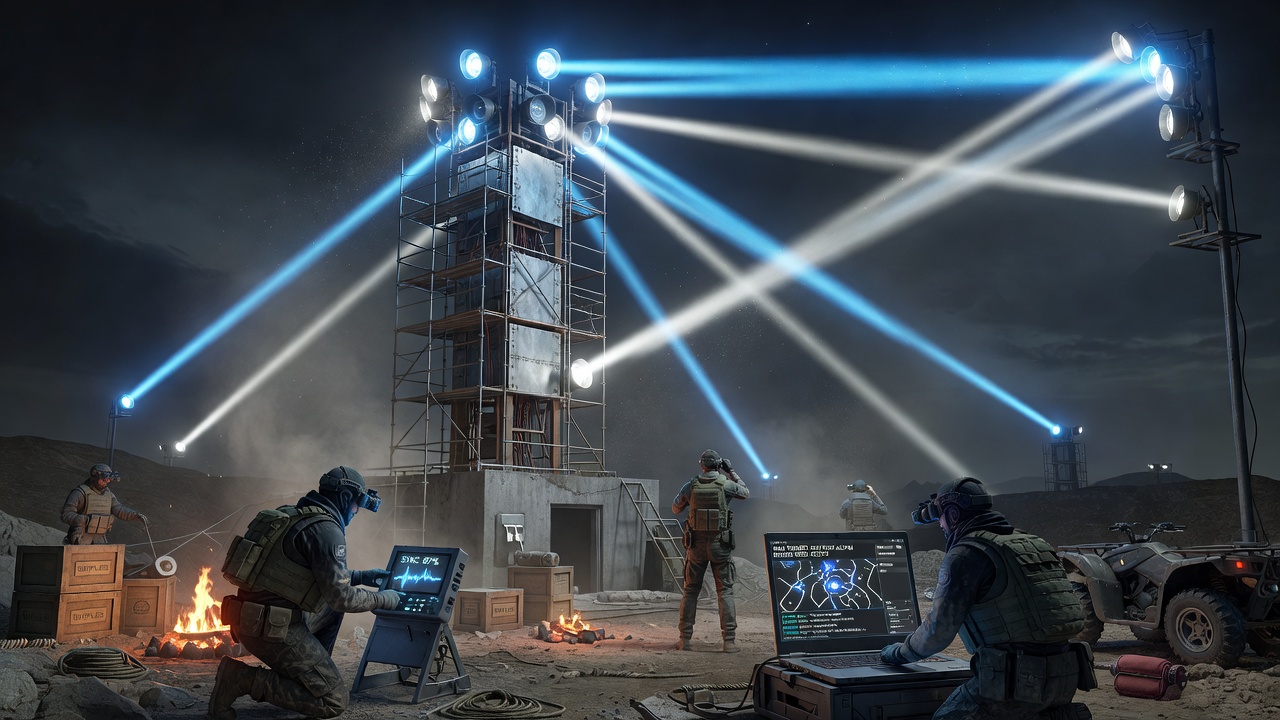
What's interesting is how terrain modification often accompanies beacon deployment since players flatten hilltops or construct temporary towers to ensure beams remain unobstructed. In August 2026 several major server networks implemented new render distance settings that extended beam visibility by an additional 40 blocks prompting rapid updates to existing signal maps. These changes coincided with seasonal events that increased nighttime raid frequency and therefore raised the practical value of pre-established light networks.
Technical Limitations and Countermeasures
Beacon beams require direct sky access and cease functioning when covered by solid blocks or when the beacon itself is destroyed which creates both a strength and a vulnerability in raid planning. Opposing teams have developed tactics that involve targeting visible beacons first to disrupt incoming signals and some servers now restrict beacon placement near protected zones through region-specific permissions. Data collected by independent server monitoring services shows that 61 percent of documented nighttime raids in 2025 involved at least one attempt to neutralize enemy beacon infrastructure before the main engagement began.
Redstone circuitry integrated with beacons allows automated pulsing sequences that function as timed alerts yet these setups demand additional resource investment and maintenance. Players who master the timing of such circuits gain advantages in synchronizing multi-phase operations across several kilometers of terrain. External observers tracking player-created documentation note that comprehensive beam protocol archives now exist on community repositories hosted in multiple languages reflecting the global spread of these practices.
Conclusion
Beacon beam systems continue to evolve alongside server software updates and community experimentation as survival sandbox environments grow more complex. The combination of visual clarity, low bandwidth requirements, and adaptability to terrain has secured their role in nighttime raid coordination across diverse player populations. Ongoing plugin development and seasonal event changes will likely introduce further refinements while core principles of color coding and positional marking remain consistent foundations for these community-driven signaling methods.