Fractured Frontiers: How Server Merges Reshape Social Dynamics in Long-Running MMO Communities
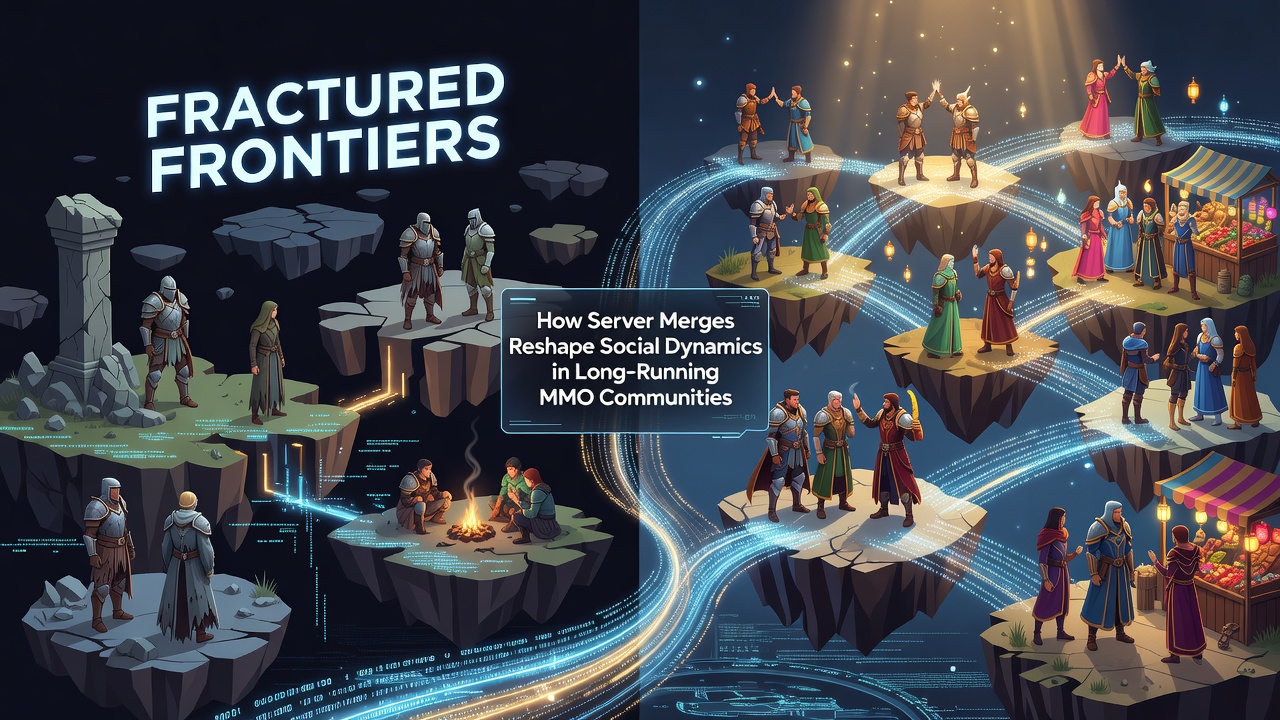
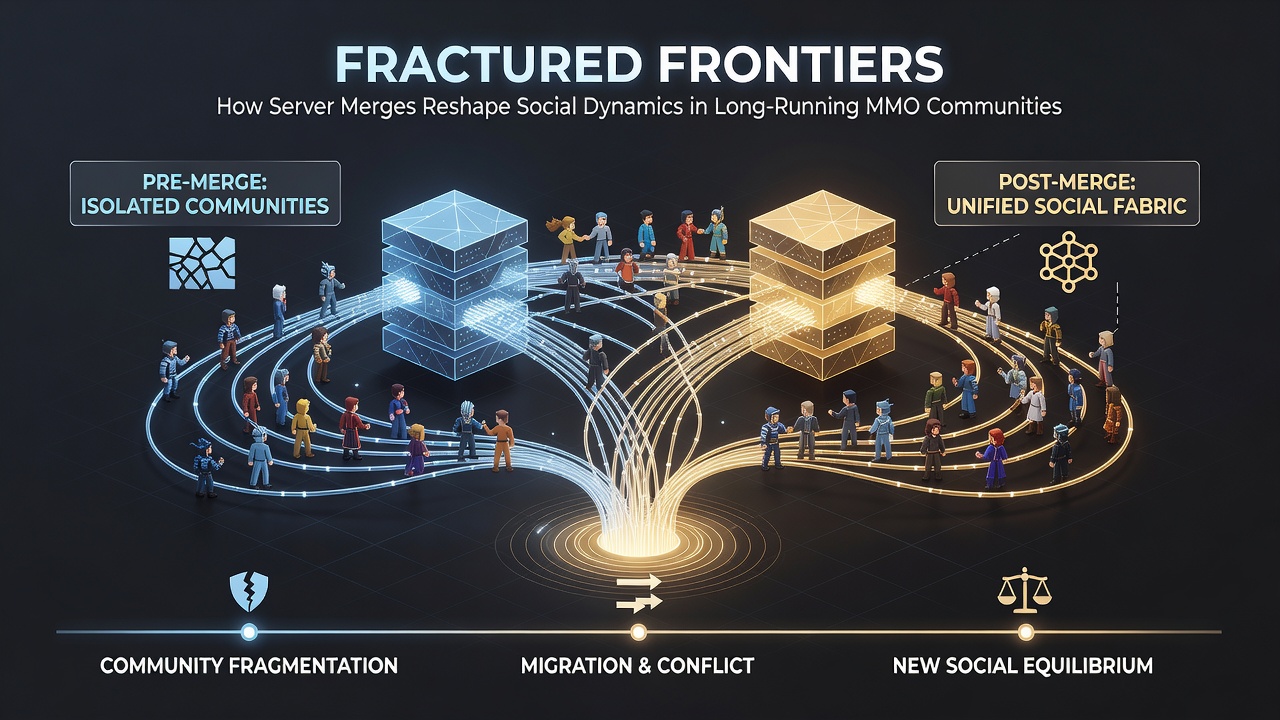
Server merges represent a standard response in long-running massively multiplayer online games when population levels drop below sustainable thresholds, and these events trigger measurable shifts in community structures across titles like World of Warcraft and EVE Online. Observers note that developers initiate merges to consolidate player bases, maintain economy stability, and preserve matchmaking viability, yet the process often disrupts established social networks that have formed over years of shared gameplay.
Mechanics Behind Server Consolidation
Developers track metrics such as active daily users, auction house volume, and raid participation rates before announcing merges, while players receive advance notice through in-game mail and forum posts that outline transfer procedures and name conflict resolutions. In practice these consolidations combine multiple realms into single instances, forcing characters from separate social ecosystems to occupy the same virtual spaces overnight, and data from industry reports shows participation spikes followed by temporary activity surges as groups reassess alliances.
According to the Entertainment Software Association, server health indicators in North American markets have driven dozens of such events since 2015, with similar patterns documented in European and Asian regions where population drift follows expansion cycles. Those who've studied these transitions point out that merges rarely occur in isolation, often coinciding with content updates designed to re-engage returning subscribers.
Shifts in Guild and Alliance Formations
Guilds that once dominated specific servers face immediate identity challenges when their members encounter rival organizations from merged realms, leading to rapid recruitment drives and occasional hostile takeovers of shared resources like housing plots or territory claims. Research from the Interactive Games and Entertainment Association in Australia indicates that guild retention rates dip by approximately 25 percent in the first month post-merge before stabilizing as new hierarchies emerge through in-game diplomacy.
Players who previously enjoyed insulated social circles suddenly navigate expanded friend lists and cross-realm chat channels, creating opportunities for fresh collaborations but also exposing longstanding feuds to larger audiences. One documented case in Final Fantasy XIV involved multiple free companies merging their leadership councils to avoid duplication, resulting in hybrid organizations that adopted elements from each original group while discarding conflicting raid schedules.
Interpersonal Dynamics and Identity Realignment
Long-term friendships often survive merges through voice chat coordination and external Discord servers, whereas casual acquaintances dissolve when players lose familiar landmarks or vendor NPCs tied to their original realms. Studies conducted by the University of Alberta's gaming research lab reveal that individuals who invest heavily in server-specific lore experience higher rates of disengagement, as their narrative contributions become diluted across larger populations.
Yet many communities adapt by forming cross-server events that celebrate shared histories, such as memorial raids honoring pre-merge accomplishments or joint festivals that blend customs from different original servers. In June 2026 several titles including older expansions of Guild Wars 2 executed coordinated merges that prompted players to archive chat logs and screenshot galleries documenting their separate pasts before integration.
Economic and Competitive Ripple Effects
Auction house economies fluctuate sharply during merges because supply gluts from high-population servers depress prices while demand from low-population arrivals creates temporary shortages in crafting materials. Competitive PvP scenes experience similar turbulence, with ranked leaderboards resetting or recalibrating to account for skill variances across former server boundaries, and analysts from the European Games Developer Federation have tracked corresponding changes in tournament participation numbers.
Players who built reputations through niche roles, such as dedicated crafters or lore archivists, frequently leverage these skills to bridge divides, establishing themselves as neutral facilitators in the new combined environment. Data shows that servers with strong pre-merge communication tools retain higher percentages of active social clusters compared to those relying solely on in-game systems.
Long-Term Community Evolution Patterns
Over extended periods merged communities develop hybrid cultures that incorporate traditions from multiple origins, though core groups sometimes maintain private instances or alt-guilds to preserve exclusivity. Longitudinal observations compiled by Canadian research initiatives highlight that successful adaptations correlate with proactive moderator involvement and transparent developer feedback channels that address player concerns about lost progress or identity erosion.
Those monitoring these trends note recurring cycles where initial fragmentation gives way to renewed cohesion as players discover complementary playstyles across the expanded pool, reinforcing the resilience of MMO social frameworks despite periodic structural upheavals.
Conclusion
Server merges continue to serve as pivotal moments that redefine social landscapes in enduring MMO titles, balancing technical necessities against the human elements of connection and belonging. External resources such as reports from the Entertainment Software Association and studies by the Interactive Games and Entertainment Association provide ongoing data that helps track these evolving dynamics across global player bases.