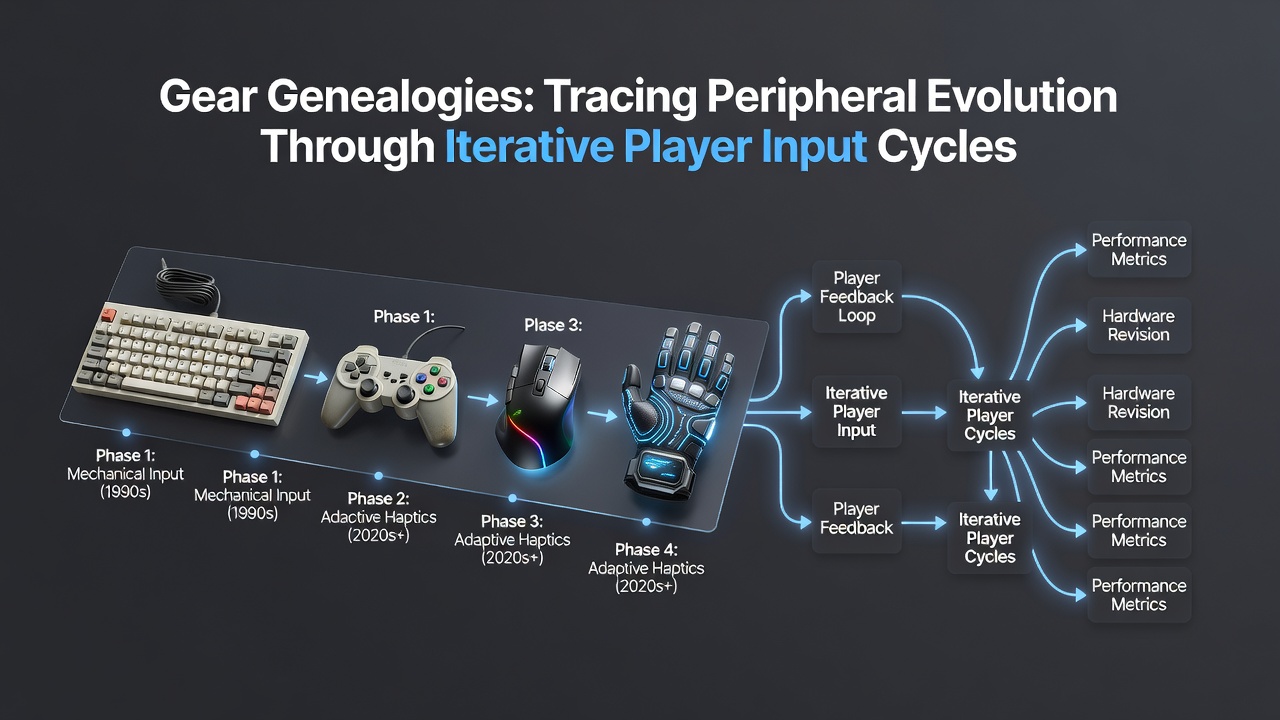
Gear Genealogies: Tracing Peripheral Evolution Through Iterative Player Input Cycles
Peripheral hardware in gaming has developed through repeated cycles where player actions feed directly into design adjustments, and manufacturers refine components based on performance data collected from competitive environments. These cycles begin with basic input devices and expand as usage patterns reveal limitations in response times, ergonomics, and durability across different platforms.
Foundations of Input Device Development
Early gaming controllers relied on simple button layouts and analog sticks that originated in the 1990s arcade and console markets; players quickly identified latency issues during fast sequences, which prompted engineers to incorporate microswitch technology and adjustable tension mechanisms. Data collected from tournament logs showed consistent complaints about thumb fatigue, leading to the introduction of contoured grips and modular button placements that reduced strain during extended sessions.
Keyboard and mouse combinations followed similar paths in PC gaming communities, where competitive players tested custom keycaps and sensor upgrades. Manufacturers responded by integrating optical switches and higher polling rates after reviewing usage statistics from online forums and event recordings. The process created traceable lineages for each product line, with each generation addressing specific friction points reported by users in high-stakes matches.
Player-Driven Refinement in Competitive Scenes
Esports events have accelerated these feedback loops because match data provides precise metrics on input accuracy and timing errors. Observers note that professional circuits in fighting games and shooters generate detailed logs of button presses and movement vectors, which developers then cross-reference with hardware telemetry to isolate mechanical bottlenecks. One study from a North American research group highlighted how grip modifications reduced misinputs by measurable percentages in regional qualifiers.
Iterative cycles also incorporate regional variations since player preferences differ across server clusters and cultural contexts. European leagues often emphasize precision aiming tools while Asian circuits focus on rapid execution pads, resulting in parallel product branches that merge later through global releases. This geographic divergence supplies manufacturers with broader datasets for subsequent redesigns.
Integration of Sensor and Haptic Technologies
Modern peripherals incorporate advanced sensors that record minute adjustments during gameplay, and these readings travel back to design teams through voluntary player reporting systems. In June 2026 several major tournaments released aggregated input pattern datasets that revealed emerging needs for adaptive resistance features in analog triggers. Companies responded by prototyping variable tension modules that players could calibrate mid-match based on previous round performance.
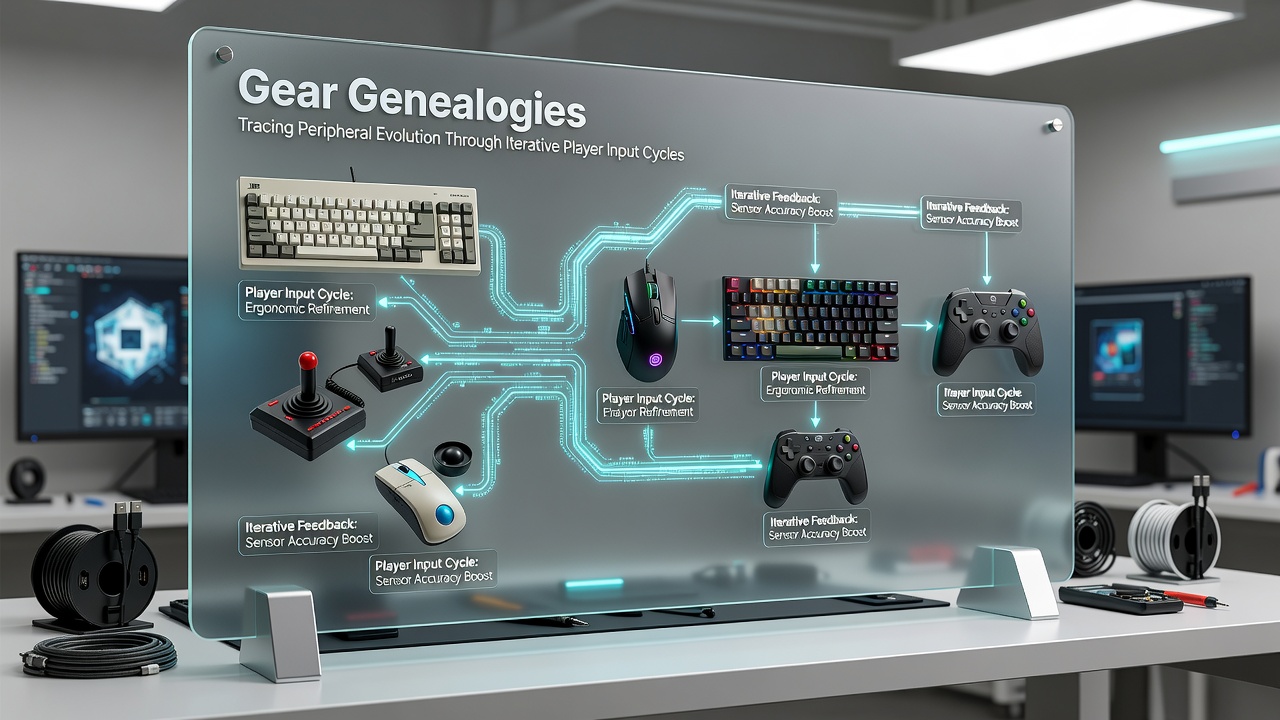
Research indicates that haptic feedback integration has followed the same evolutionary pattern, with initial rumble motors giving way to localized actuators after community tests demonstrated improved reaction accuracy. Australian Interactive Games Association reports documented how these upgrades altered strategy execution in cross-platform events, prompting further refinements in firmware that sync device outputs with in-game audio cues.
Documentation and Predictive Modeling
Archival efforts now track entire genealogies of peripheral models by compiling patch notes, firmware updates, and user-submitted performance logs into searchable databases. Teams at universities in Canada and the European Union have built models that predict which components will require upgrades based on historical input cycle data. These tools help smaller developers anticipate demand without waiting for widespread complaints to surface.
Examples include the transition from membrane to optical keyboards in certain esports titles, where timing discrepancies appeared first in amateur ladders before professionals adopted the changes. Manufacturers accelerated production once aggregated figures revealed consistent advantages in execution speed across multiple game genres. The pattern repeats with each new sensor generation, creating clear lineages that enthusiasts can follow through product releases.
Conclusion
Peripheral evolution continues through these documented cycles where player input directly shapes hardware iterations, supported by growing collections of performance data and regional usage statistics. The process maintains momentum as new sensor capabilities and reporting tools emerge, ensuring that each generation of devices addresses measurable gaps identified in prior competitive environments.