Hidden Hitboxes: Developer Oversights That Reshaped Victory Conditions in Major Esports Events
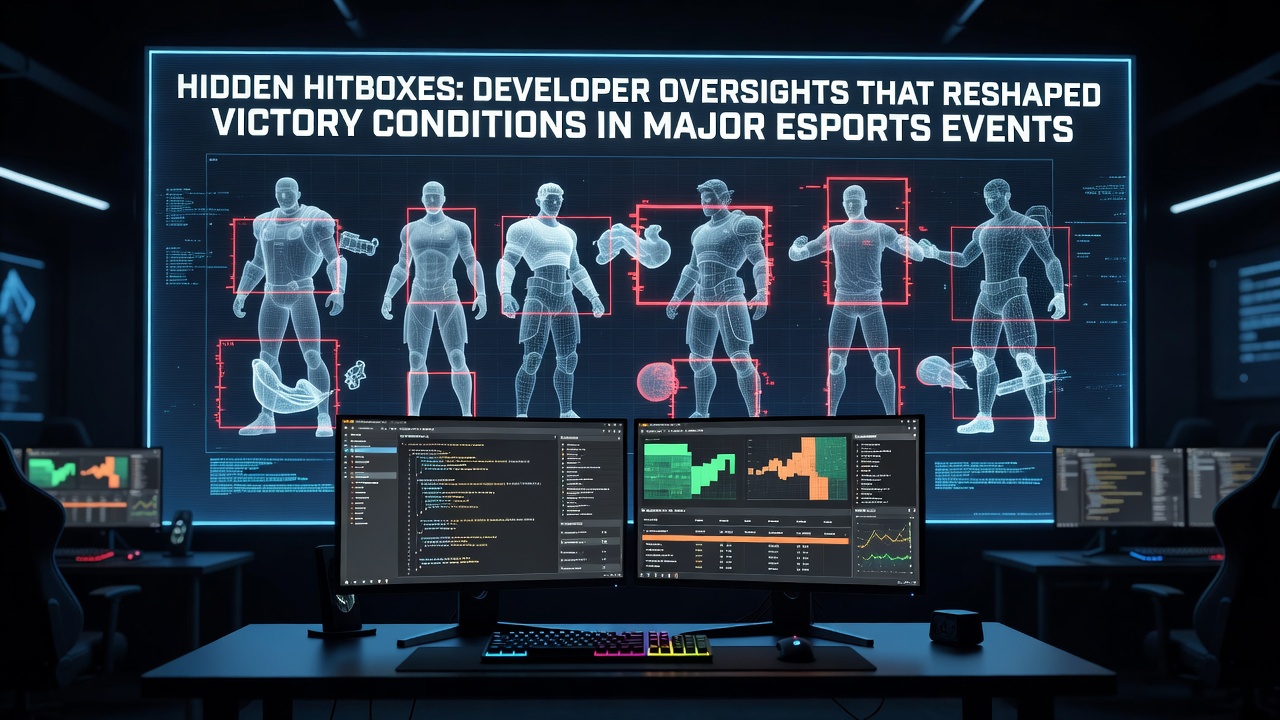
Hitboxes define the invisible boundaries that determine when attacks connect in competitive games, yet developer oversights in their sizing or placement have altered results at high-stakes tournaments across multiple titles. These discrepancies often remain undetected during initial testing phases because standard playtesting scenarios fail to cover edge cases that arise under tournament pressure. Observers note that such issues surface most frequently in fast-paced fighting games and shooters where frame-perfect timing separates winners from eliminated competitors.
Core Mechanics Behind Hitbox Implementation
Game engines calculate collisions through hitbox data attached to character models, and discrepancies occur when these volumes do not match visual representations or when animation transitions create temporary mismatches. Developers typically rely on automated tools and manual adjustments during production, but rushed patches or cross-platform ports introduce inconsistencies that only manifest after millions of matches occur in live environments. Research from academic game studies programs indicates that physics simulation variances between client and server instances amplify these problems during synchronized online play.
Players and analysts have documented cases where characters could land hits from distances exceeding intended ranges or avoid damage despite apparent contact on screen. These situations force tournament organizers to review replays frame by frame, sometimes leading to overturned decisions or rule adjustments mid-event. Data from competitive tracking platforms shows that such incidents cluster around major balance updates when new animations enter the pool without full hitbox validation.
Documented Tournament Incidents Across Titles
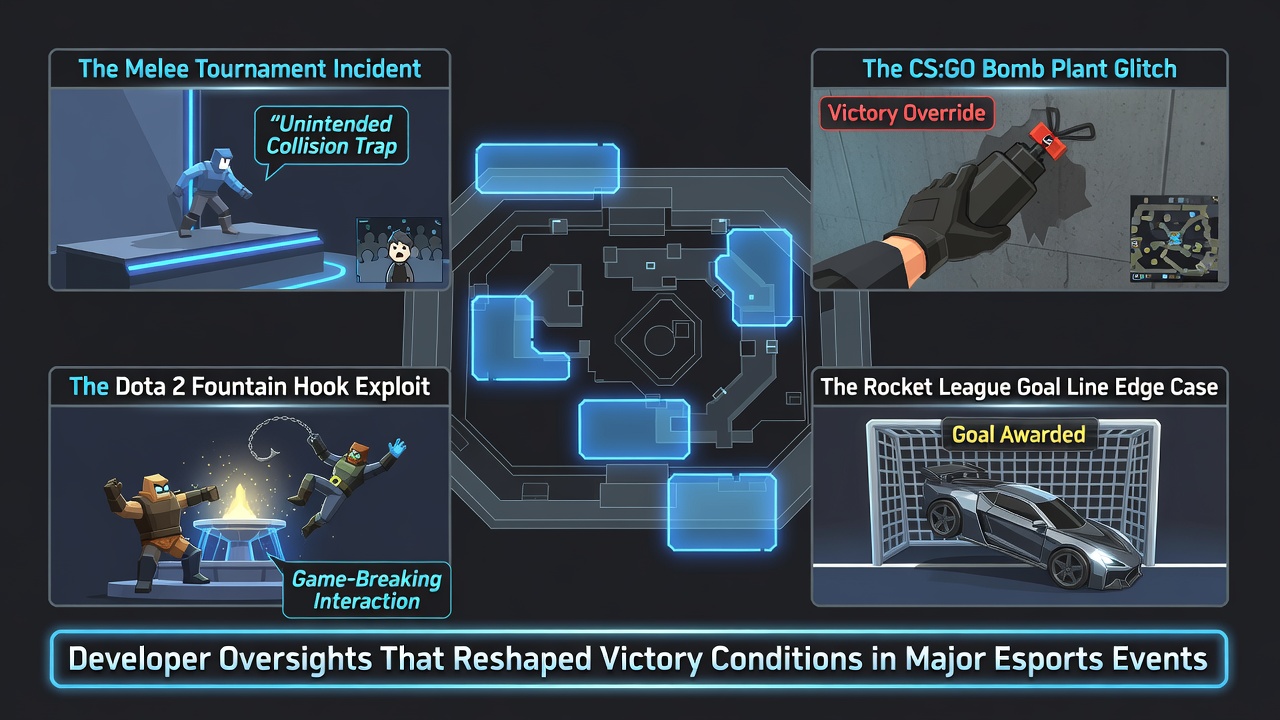
One widely referenced example unfolded during a 2023 fighting game world finals where an overlooked hurtbox extension allowed a character to punish moves that should have been safe on block. Organizers paused the match series while developers issued an emergency clarification, ultimately changing how competitors approached the remaining bracket. Similar patterns appeared in battle royale events around the same period when projectile hitboxes failed to register against moving targets at specific angles.
In June 2026, a prominent first-person shooter league encountered comparable challenges during its mid-season championship when certain weapon collision volumes extended beyond visual models on one platform but not others. This created uneven conditions for participants using different hardware setups, prompting league officials to implement platform-specific qualifiers for subsequent stages. Industry reports from the Entertainment Software Association highlight how multi-platform development cycles increase the likelihood of these synchronization gaps persisting into live service updates.
Community-driven analysis tools have since become standard for identifying such discrepancies before they reach professional circuits. Players upload match data to shared databases that compare expected versus actual collision outcomes across thousands of sessions. These efforts complement official developer monitoring systems yet operate independently, often surfacing issues weeks ahead of scheduled patches.
Adjustments to Rules and Competitive Standards
Tournament bodies responded to recurring hitbox problems by incorporating pre-event verification protocols that include randomized collision tests against known problematic animations. Leagues now require developers to submit updated hitbox documentation alongside balance changes, allowing officials to simulate edge cases in controlled environments. Figures from regional esports federations reveal that these procedures reduced disputed calls by measurable margins in events held after 2024.
Training regimens adapted accordingly as teams began incorporating hitbox visualization software into daily practice. Competitors review frame data overlays to identify safe zones that visual cues alone do not reveal, shifting strategic priorities away from pure reaction toward predictive positioning. Academic papers on digital sports performance document corresponding increases in average match duration as players exploit these newly understood boundaries.
Ongoing Development Practices and Monitoring
Studios have integrated more rigorous automated testing suites that simulate high-frequency inputs across varied network conditions, yet live player behavior continues to expose gaps that scripted tests miss. External auditing firms occasionally assist with validation during major title launches, providing independent verification of collision accuracy before global release. Such collaborations reflect broader industry shifts toward transparency in technical implementation details.
Future patches in several long-running titles now include public changelogs that explicitly list hitbox modifications, enabling community verification before official deployment. This practice emerged after repeated instances where undocumented adjustments influenced qualification outcomes for international events. Observers continue to track these patterns through aggregated match statistics that surface anomalies in real time.
Conclusion
Hidden hitbox issues demonstrate how small technical details propagate through competitive ecosystems when initial development overlooks specific interaction scenarios. Leagues, developers, and player communities have established layered verification processes that address these oversights more systematically than earlier eras of esports. Continued refinement of testing methodologies and data-sharing practices supports consistent victory conditions across platforms and regions as events scale further in 2026 and beyond.