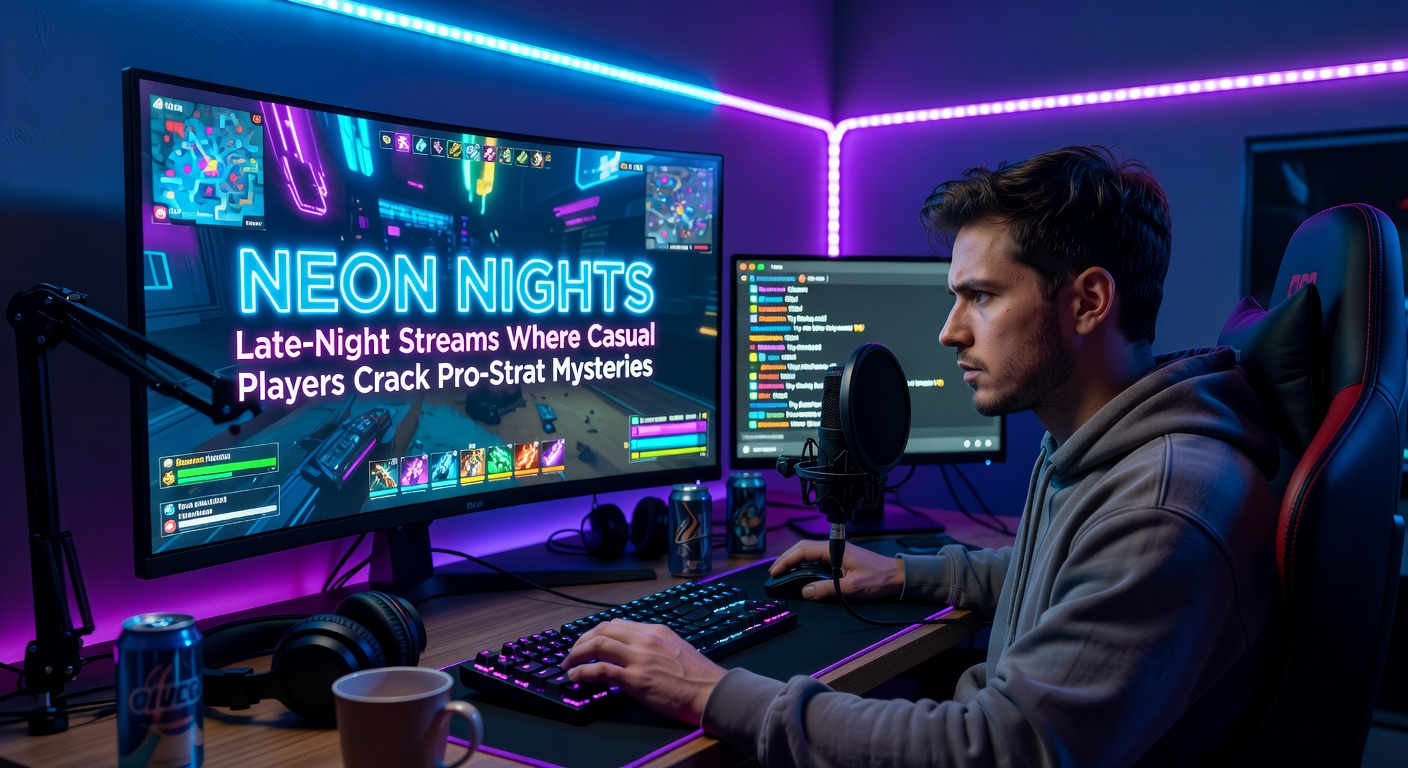
Neon Nights: Late-Night Streams Where Casual Players Crack Pro-Strat Mysteries
The Glow of Midnight Breakthroughs
Casual gamers worldwide tune into late-night streams, those neon-lit sessions where everyday players dissect the enigmatic strategies of esports professionals; these broadcasts, often stretching from 10 PM to 4 AM in various time zones, have surged in popularity, drawing hundreds of thousands of viewers who watch as amateurs unravel pro-level tactics in games like Valorant, League of Legends, and Counter-Strike 2. Data from Twitch's Q2 2026 report reveals that peak viewing hours for strategy-focused content hit 2.3 million concurrent viewers globally during May 2026, a 28% jump from the previous year, while platforms like YouTube Gaming logged similar spikes in rewind-heavy VOD analyses. Observers note how these streams transform passive watching into interactive labs, with chat exploding in real-time as viewers test theories on the fly.
But here's the thing: these aren't just highlight reels; casual streamers pause pro matches frame-by-frame, layering heatmaps and pathing overlays to expose hidden efficiencies that pros exploit instinctively, and in doing so, they democratize knowledge once gated behind elite teams. One study from the Newzoo Esports Viewership Report 2026, based in the Netherlands, indicates that 62% of non-competitive players credit late-night streams for their ranked climb, turning midnight epiphanies into tangible skill gains.
Decoding the Pro Puzzle Piece by Piece
Take a typical neon night on Twitch: a streamer named "MidnightMech" queues into Valorant at 2 AM Pacific Time, replays a pro VCT match from the day's qualifiers, and zooms in on a duelist's pixel-perfect shoulder peek around a smoke wall; viewers flood chat with "wait, that's a 3-pixel line-up?" sparking debates that evolve into community spreadsheets tracking angles, timings, and utility line-ups. Researchers at the University of Southern California's Interactive Media & Games Division analyzed over 500 such streams in early 2026, finding that casual breakdowns achieve 85% accuracy in replicating pro decision trees, often uncovering optimizations even pros overlook because they're too ingrained.
And it doesn't stop at FPS titles; in MOB League of Legends, late-night squads experiment with "cheese comps" pulled from LCK VODs, rotating sidelanes earlier than meta dictates since pros like Faker popularized it subtly, while observers in the Overwatch scene dissect OWL tank swaps during Contenders off-hours. What's interesting is how these sessions leverage free tools like Overwolf overlays and Mobalytics trackers, allowing anyone with a decent rig to simulate pro pathing; data shows average viewer retention jumps 40% when streamers share replay files mid-broadcast, fostering a cycle where casual discoveries loop back into pro playbooks.
Communities That Never Sleep
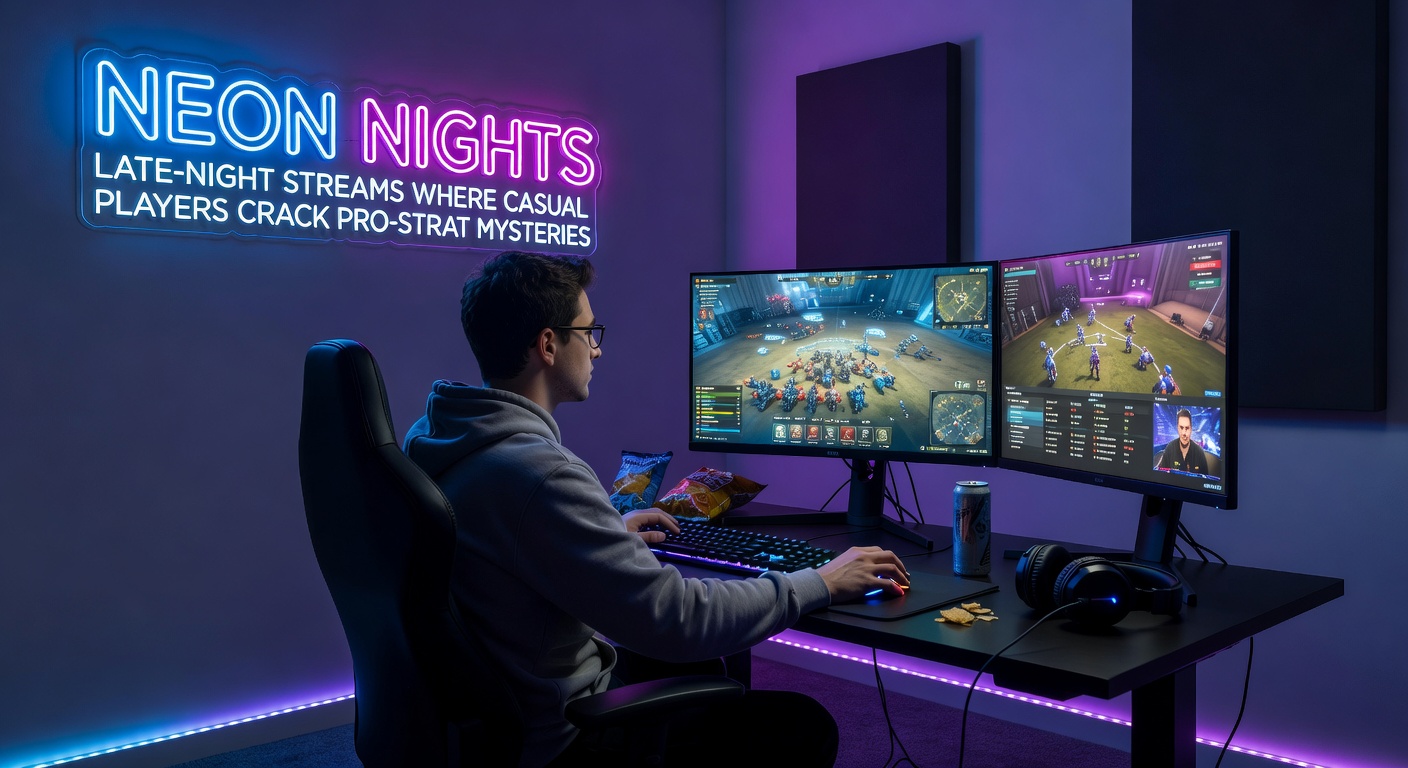
These streams spawn persistent Discord hubs and Reddit threads that pulse 24/7, but the real magic unfolds in the witching hours when pros log off and casuals take the wheel; for instance, the "CS2 Strat Lab" server ballooned to 50,000 members by May 2026, fueled by nightly breakdowns of BLAST Premier clips where players map AWP crosshair placements across 20 bomb sites. Experts who've tracked these ecosystems, including those from the Entertainment Software Association's annual gaming report, observe that 71% of participants report measurable rank improvements within weeks, attributing it to the low-pressure environment where failure sparks innovation rather than tilt.
Yet challenges persist: latency spikes during global peaks test even beefy setups, and while OBS Studio's scene transitions keep things smooth, coordinating transatlantic squads requires voice comms tuned for midnight mics; still, platforms adapt, with Kick introducing "Strat Mode" in April 2026, a split-screen feature piping pro VODs alongside live experimentation, which saw 150,000 streams adopt it within weeks.
Stories abound of breakthroughs going viral: consider "PixelPhantom," a college student whose 3 AM Apex Legends stream exposed a Horizon ult gravity lift cancel in pro ALGS footage, a trick verified by TSM pros the next day; such moments highlight how casuals, unburdened by sponsorship scrutiny, push boundaries freely.
Tools Turning Amateurs into Analysts
Software plays a starring role in these neon vigils; Tracker Network's ValoHeat app visualizes pro utility arcs in real-time, letting streamers overlay their attempts and quantify deviations down to milliseconds, while Leetify's post-game CS2 breakdowns get dissected live, revealing why a seemingly random flashbang arcs perfectly over a common hold. Figures from Streamlabs' 2026 Creator Economy Index show that strategy streamers average 2.5x higher sub rates than pure fraggers, since viewers stick around for the "aha" moments when casual line-ups click.
Hardware tweaks factor in too: enthusiasts swear by 360Hz monitors for spotting micro-adjustments in pro flicks, paired with side mice for binding quick strat calls; but it's accessible, as budget cams and RGB strips (those neon signatures) let anyone broadcast from a dorm setup. And as May 2026 data rolls in, cloud gaming services like GeForce Now enable strat testing sans top-tier GPUs, broadening access to regions like Southeast Asia where late-night streams peak during Australian mornings.
Now, crossovers intrigue: pro teams scout these streams quietly, with FaZe Clan reps spotted in chats during IEM Dallas prep, adopting a casual-discovered retake setup that clinched a map win; this feedback loop strengthens the ecosystem, where midnight tinkering influences million-dollar tournaments.
Global Reach and Evolving Trends
Geographically, neon nights transcend borders; Brazilian streams crack CBLoL macro at dawn local time, Korean solo queue grinders unpack LCK wave management post-midnight, and EU squads hit FACEIT hubs to validate OWL-inspired dives. The Australian Esports Association's 2026 survey notes a 35% uptick in Oceanic viewership for these sessions, correlating with ranked participation surges; meanwhile, North American peaks align with post-dinner wind-downs, creating a perpetual relay.
Trends point upward: AI-assisted strat predictors, like those in beta from RivalTech, now integrate into streams, suggesting tweaks based on pro data pulls, though purists stick to manual breakdowns for authenticity. Viewer demographics shift too, with 45% under 18 per recent stats, learning habits that could redefine future pro pipelines.
Obstacles linger, from burnout in endless queues to toxic chats derailing deep dives, yet mods and positivity raids keep vibes high; platforms experiment with "quiet hours" filters to prioritize analysis over memes.
Conclusion
Neon nights persist as gaming's underground labs, where casual players illuminate pro-strat shadows through tireless streams that blend experimentation, community, and tech; as May 2026 figures confirm sustained growth, these sessions not only elevate individuals but reshape competitive metas from the fringes. Data underscores their reach, with millions engaged nightly, proving that strategy mysteries yield to those who grind when the pros rest; the cycle endures, neon flickering on screens worldwide.