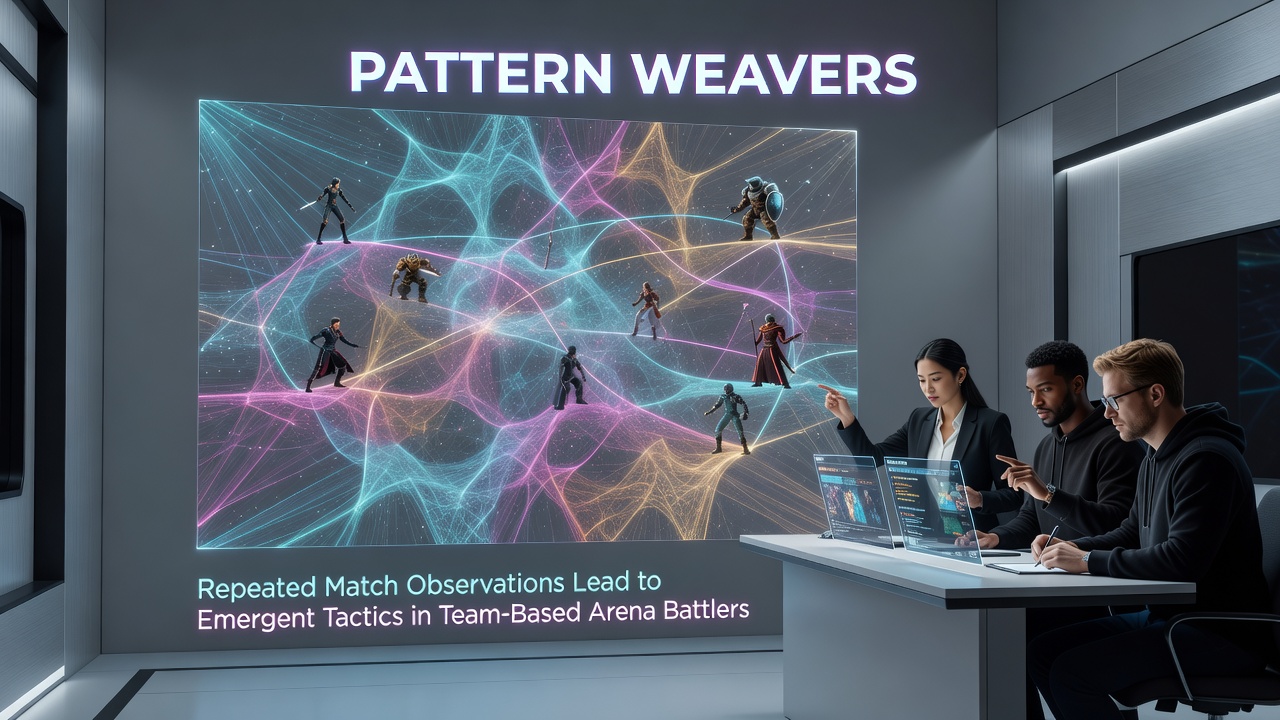
Pattern Weavers: How Repeated Match Observations Lead to Emergent Tactics in Team-Based Arena Battlers
Teams in arena battlers such as Dota 2 and League of Legends build strategies through repeated match reviews that reveal opponent habits in positioning, cooldown management, and rotation timing, and these observations gradually produce tactics that no coach scripts in advance. Analysts compile hours of footage from scrimmages and tournaments, then tag recurring sequences where one side commits resources too early or leaves flanks exposed, and the compiled data feeds into practice drills that test counter-moves until the responses become instinctive.
Replay Systems and Data Layers
Modern replay tools record every input at millisecond resolution, allowing coaches to overlay heatmaps of champion movement and ability use across dozens of games, while statistical packages flag deviations from average behavior that signal fatigue or predictable aggression. In August 2026 the Global Arena Series introduced standardized replay APIs that let regional leagues share tagged datasets, and analysts quickly noticed that teams from one server cluster consistently delayed their first objective contest by twelve seconds compared with another region, creating an opening for early map pressure that spread into multiple team compositions.
From Pattern Recognition to Emergent Play
Observers note that repeated viewing sessions often surface small timing tells first, such as a support ward placement that occurs three seconds after a jungle camp clears, and once those tells are isolated, squads experiment with feints that force the opponent into the recorded sequence. One documented case from the 2025 European qualifiers showed a mid-lane duo adjusting their wave management after three review cycles revealed an enemy preference for freezing lanes near river bushes, and the adjustment produced an unplanned gank angle that the original scouting notes had not anticipated. The new route then appeared in subsequent matches across different regions as footage circulated on shared analysis platforms.
Cross-Team Knowledge Transfer
Community forums and private analyst discords accelerate the spread of these discoveries, yet the most durable tactics emerge only after multiple teams test variations under tournament conditions. Researchers at the University of Sydney documented how a single observed pattern in objective trading migrated from an amateur Oceanic league to a North American roster within six weeks, and the receiving team layered an additional vision denial step that had not existed in the source material. Data from the Esports Research Network indicates that squads maintaining weekly replay audits of at least forty matches developed new in-game calls at twice the rate of teams relying on coach intuition alone.
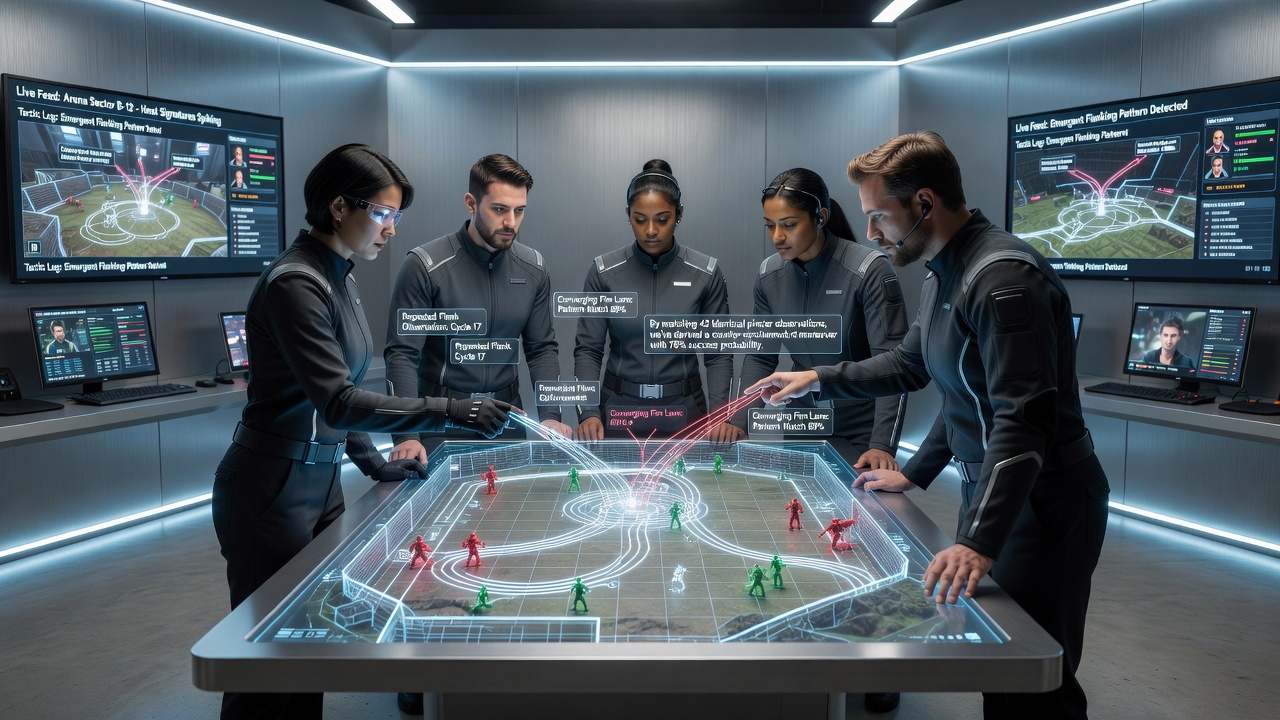
Hardware and Software Infrastructure
High-resolution capture cards and synchronized multi-angle recording rigs now sit at the center of every professional facility, while cloud-based annotation tools allow remote analysts to tag frames in real time during live events. These systems reduce the time between match end and actionable insight from hours to minutes, and the shorter loop lets teams iterate on emergent ideas before the next scheduled scrimmage. Industry reports from the Interactive Software Federation of Europe show that organizations investing in dedicated replay analysts recorded a measurable increase in adaptive strategy changes during matches, measured by the frequency of mid-game composition swaps that deviated from pre-match plans.
Conclusion
Pattern recognition through sustained match observation continues to generate tactics that appear spontaneously in live play, and the infrastructure supporting these reviews grows more precise each season. Teams that treat every replay as raw material for new connections maintain an edge in identifying and exploiting opponent regularities before those patterns become widely known. The process remains grounded in measurable data rather than instinct, and the resulting strategies travel across regions as soon as the underlying footage circulates.