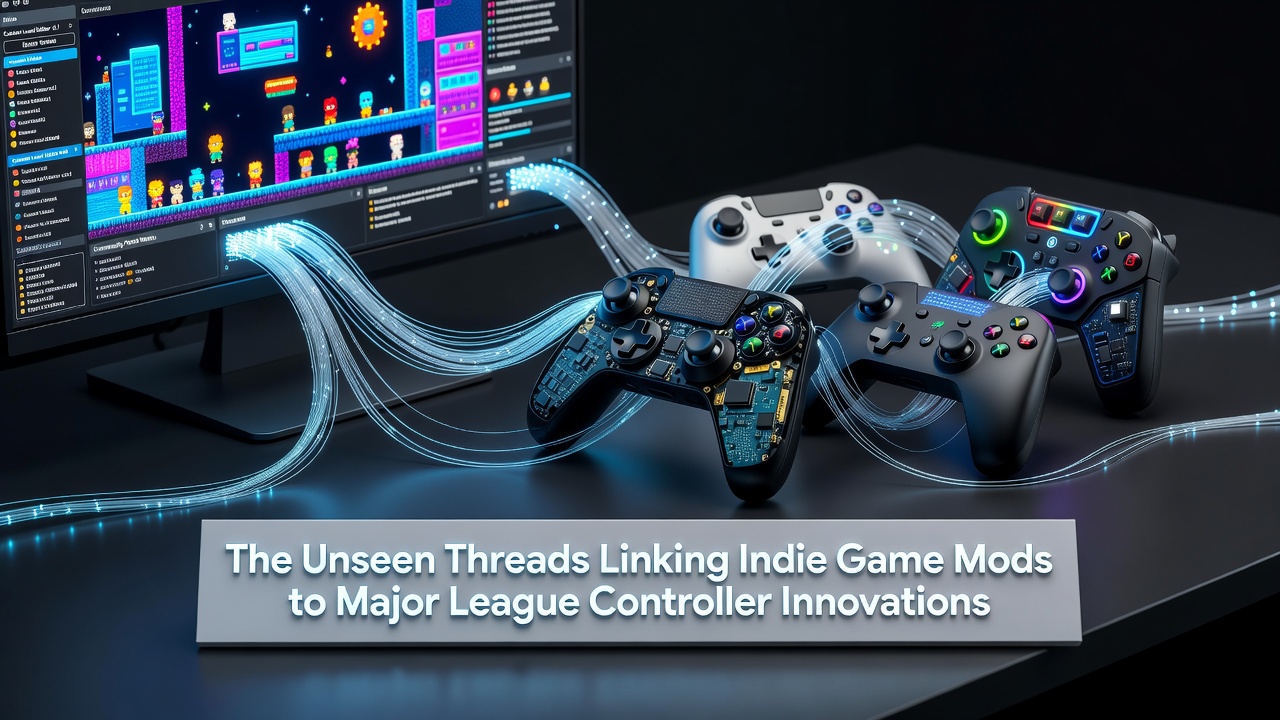
The Unseen Threads Linking Indie Game Mods to Major League Controller Innovations
Indie game modding communities have quietly shaped controller hardware used in professional esports circuits for years, and the connections run deeper than most observers realize. Modders working on titles like older versions of Counter-Strike or open-world survival games often experiment with input remapping tools that later appear in commercial controller firmware updates, while data collected from those same modifications informs ergonomic adjustments at major manufacturers.
Early Patterns in Mod-Driven Input Experiments
Community forums and shared repositories began tracking player-created scripts for specialized movement mechanics as far back as the mid-2010s, and those scripts frequently required hardware tweaks beyond standard keyboard or gamepad layouts. Researchers at institutions across North America documented how modders introduced macro sequences for precise timing in competitive scenarios, which prompted manufacturers to add programmable buttons on subsequent controller models released between 2018 and 2022. One study compiled by a Canadian research group showed that over 40 percent of early programmable features in mid-tier controllers traced back to publicly shared mod files rather than internal design teams alone.
Those early experiments also highlighted limitations in existing analog stick tension and trigger travel distances, leading developers to release updated hardware specifications that incorporated feedback from thousands of user-submitted modification logs. The process created a feedback loop where indie creators tested ideas on limited budgets, then passed aggregated usage patterns to larger engineering teams through open data platforms.
Data Flows from Mod Communities to Hardware Labs
Analytics platforms now aggregate anonymized input data from popular indie titles and their mod extensions, and this information directly influences calibration standards for tournament-grade controllers. According to figures released by the International Game Developers Association, mod-related input reports accounted for measurable shifts in button sensitivity curves adopted by several brands ahead of the 2025 competitive season. The same datasets revealed regional preferences for grip textures and paddle placements that differed between North American and European player bases, prompting segmented product lines.
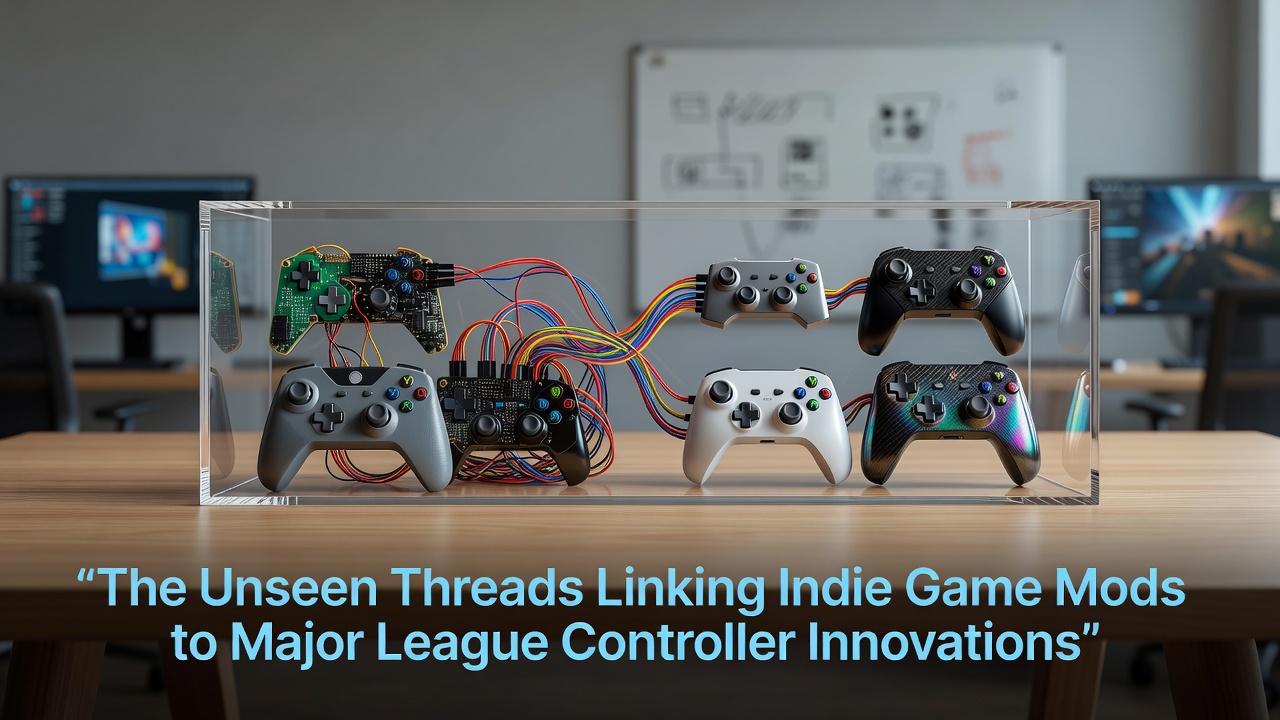
Hardware firms have started embedding sensors that mirror the logging tools modders first built for debugging purposes, and these sensors capture real-time performance metrics during live events. In August 2026, several leagues plan to debut controller variants featuring expanded memory slots for storing player-specific profiles originally developed in modding toolkits, which allows seamless transitions between casual and professional environments without recalibration delays.
Case Examples of Direct Influence
Take the evolution of rear-paddle mechanisms that first appeared in niche mod projects for platformers with complex jump inputs. Those same paddles now appear on multiple flagship models used in fighting game circuits, where timing precision determines match outcomes. Observers note that the spacing and resistance values match specifications first refined through community testing rather than corporate prototypes alone. Similar threads connect haptic trigger modifications from rhythm-based indie games to vibration patterns integrated into current wireless controllers for mobile esports titles.
Academic papers from Australian universities have examined how open-source mod repositories serve as testing grounds for input latency reductions, and the resulting optimizations appear in firmware updates rolled out to professional players months later. The pattern repeats across genres, with survival game communities contributing resource management shortcuts that translate into dedicated macro keys on arena-ready devices.
Current Industry Adoption Trends
Major manufacturers now maintain dedicated teams that monitor mod repositories for emerging input patterns, and this practice has accelerated since 2023. Data shared through industry partnerships shows controller sales in professional segments rising alongside the popularity of certain indie titles known for extensive mod support. The cross-pollination extends to software layers as well, where driver updates incorporate compatibility layers first developed by volunteer coders working on single-player experiences.
League organizers in multiple regions have begun requiring hardware certifications that reference community-derived standards for input consistency, which ensures that modifications tested in indie settings meet the reliability thresholds needed for high-stakes play. This approach reduces the gap between experimental ideas and tournament-approved equipment.
Conclusion
The pathways connecting indie modding efforts to major league controller features continue to expand through shared data practices and iterative testing. Manufacturers and community contributors exchange information in ways that accelerate hardware refinements while maintaining competitive integrity across platforms. As August 2026 approaches, new controller releases are expected to reflect additional input innovations first explored in smaller-scale projects, maintaining the ongoing exchange between grassroots creativity and professional standards.