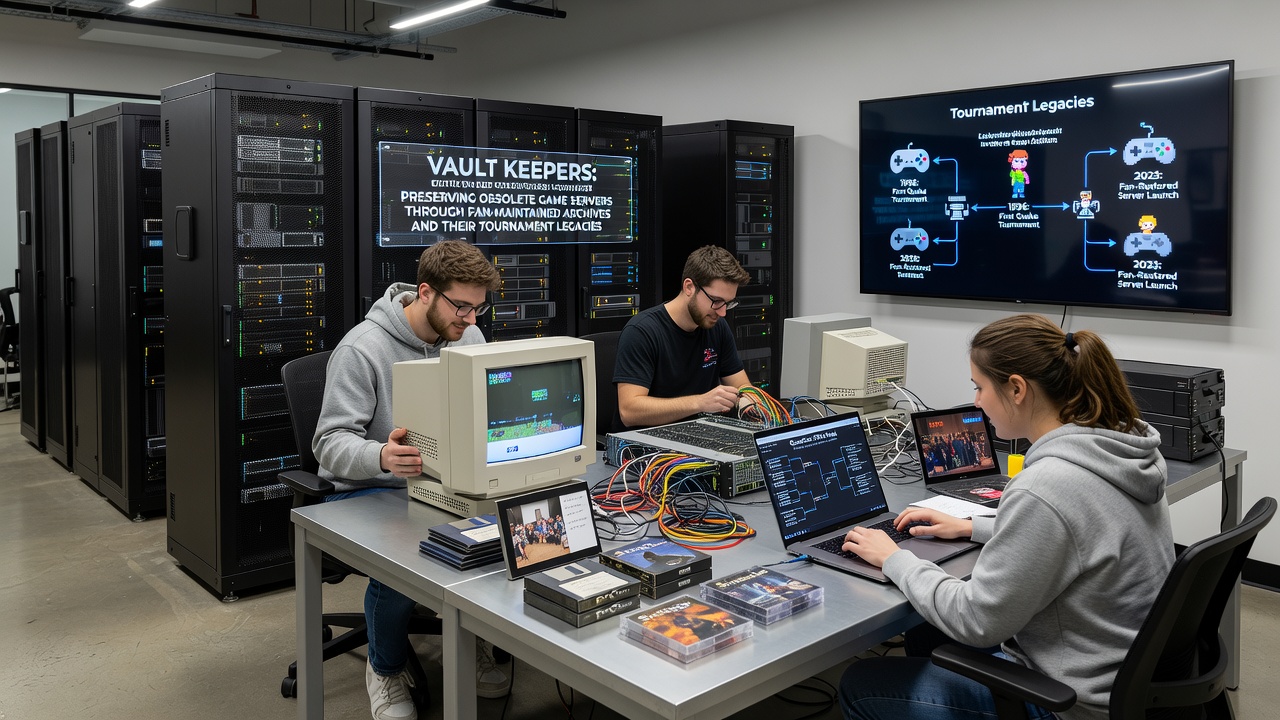
Vault Keepers: Preserving Obsolete Game Servers Through Fan-Maintained Archives and Their Tournament Legacies
Fan communities have stepped forward to maintain game servers long after official support ends, creating archives that capture both gameplay data and competitive records from earlier eras, and these efforts have grown steadily through coordinated networks that replicate original server environments using emulated hardware and preserved codebases.
Origins of Server Preservation Efforts
Developers shut down servers for titles released in the early 2000s when maintenance costs rose, yet player groups began mirroring those environments within months of closure notices, and they documented every configuration detail so that tournament matches from those periods could run again without alteration. Observers note that groups in North America and Europe coordinated early on through shared repositories, while similar initiatives emerged in Asia by the mid-2010s as regional titles reached end-of-life stages.
Technical Methods Behind Archive Maintenance
Archivists reconstruct server binaries from leaked or donated source materials, then they apply compatibility layers that allow modern hardware to host the original logic, and this process preserves exact physics calculations and matchmaking routines that defined competitive balance during active periods. Data shows that successful projects often rely on volunteer programmers who specialize in reverse engineering, and these individuals test builds across multiple operating systems to ensure stability during long-form events. Researchers at institutions such as the Canadian Heritage digital preservation program have tracked how these methods reduce information loss compared with commercial shutdowns alone.
Tournament Records Captured in Archived Environments
Legacy tournaments remain accessible because archived servers store match logs, player statistics, and replay files in their native formats, so analysts can review strategies from events that occurred more than fifteen years ago without relying on incomplete video captures. One project focused on a discontinued arena shooter recovered bracket data from 2008 through 2012, and it enabled new participants to replicate the exact rulesets that governed those competitions. Figures from the European Commission digital heritage initiative indicate that fan-maintained collections now hold records for over 120 documented tournaments across various genres.
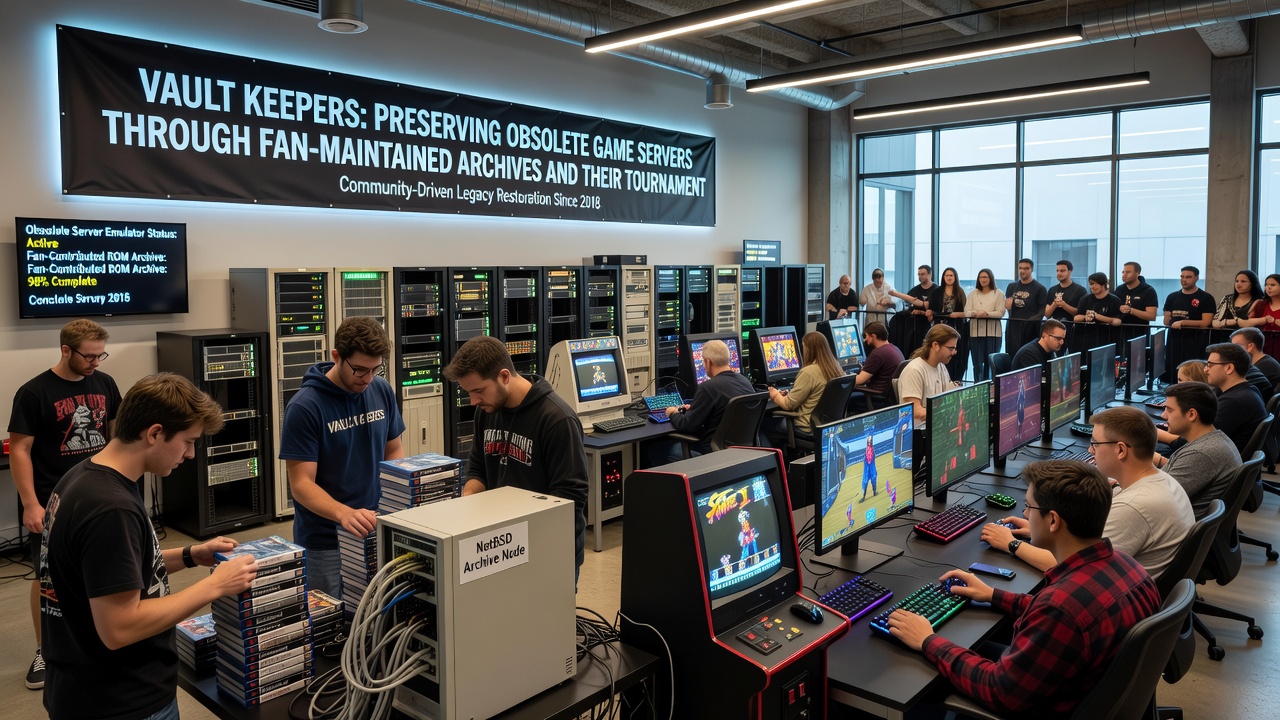
Communities schedule periodic revival events where original competitors return to compete under preserved conditions, and these gatherings generate fresh data that gets added to the same archives, creating continuous records that span decades. June 2026 saw several such revivals for a 2004 multiplayer title, with matches streamed to audiences interested in historical meta developments.
Community Structures Supporting Long-Term Projects
Volunteer organizations divide responsibilities among roles that include hardware restoration, network emulation, and documentation, while they maintain public wikis that list every preserved title along with its tournament history. Those who participate often contribute hardware donations when commercial parts become scarce, and this distributed model has allowed collections to survive individual member departures. Studies conducted by university teams in Australia have examined how these structures compare with institutional archives in terms of update frequency and accessibility for researchers.
Challenges in Maintaining Accuracy and Access
Legal questions around server emulation persist because some publishers retain intellectual property rights even after service termination, yet many projects operate under fair-use interpretations that focus solely on non-commercial preservation. Technical hurdles arise when original network protocols rely on defunct authentication systems, and archivists develop workarounds that still enforce the same connection limits present during the active years. Data from regional gaming associations reveals that downtime incidents have decreased as redundancy measures improve across distributed hosting setups.
Impact on Contemporary Competitive Analysis
Modern players consult archived tournament data to understand evolution of balance changes, and coaches reference these records when preparing teams for games that incorporate mechanics from earlier designs. The availability of unaltered server environments allows direct comparison between past and present performance metrics, which supports academic papers on competitive gaming history. Projects active in 2026 continue expanding their holdings to include mobile titles that reached end-of-service that year, extending the same preservation logic to newer platforms.
Conclusion
Fan-maintained archives have established durable records of obsolete game servers and the tournaments they hosted, and these collections continue to expand through technical and organizational methods refined over two decades. The data they preserve provides verifiable references for researchers, competitors, and developers who examine how competitive ecosystems formed and shifted across multiple generations of titles.